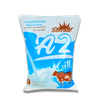
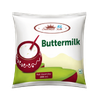
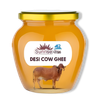
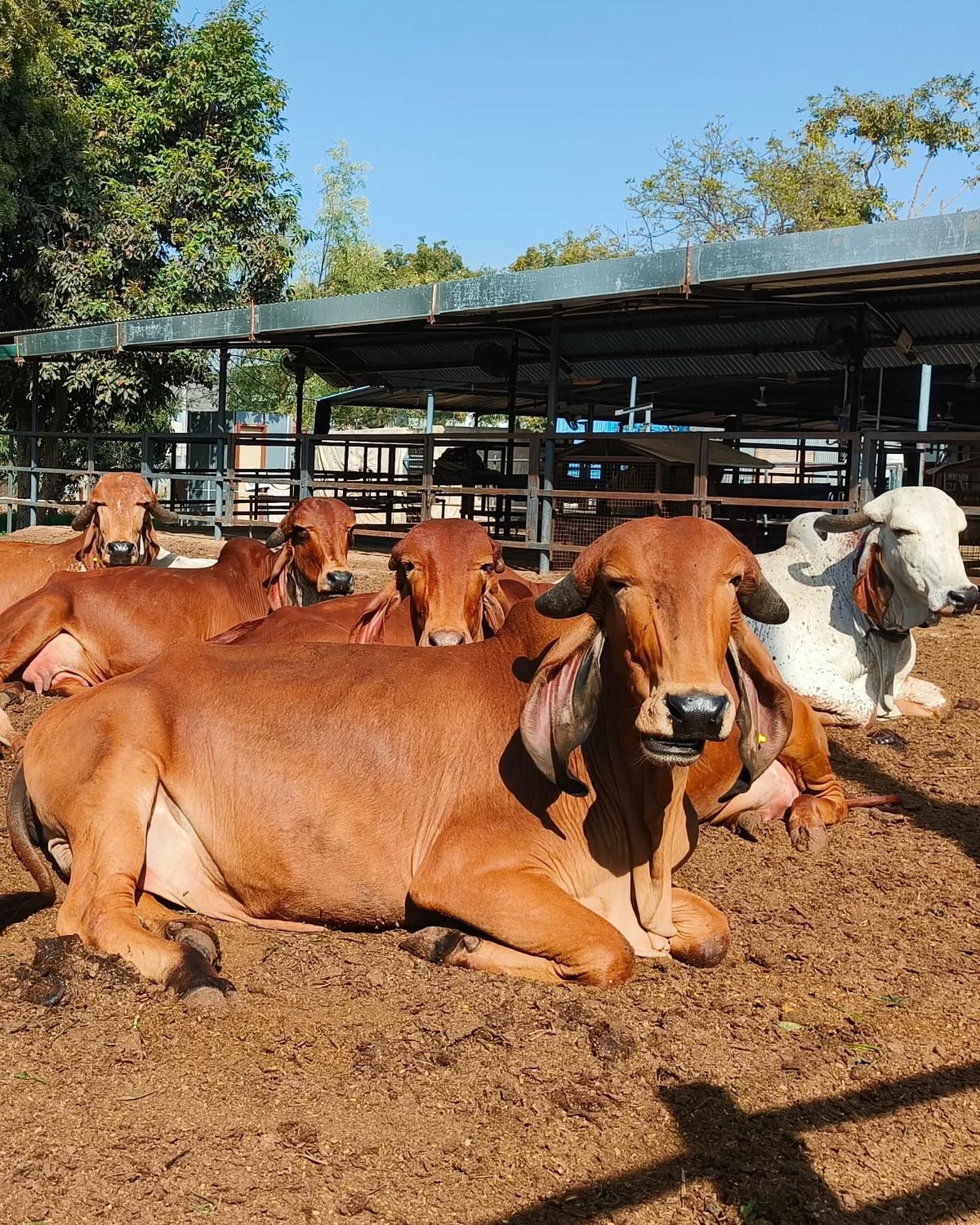
Milk is one of the most consumed foods in the world, yet many people don't realize that not all milk contains the same type of protein.
Over the last decade, growing awareness around A1 and A2 milk has encouraged families to understand the difference between these two types of milk and make informed choices.
The key difference lies in a naturally occurring milk protein called beta-casein. At Sunrise A2 Milk, we believe informed consumers make better choices, which is why we explain the science behind A1 and A2 milk in a simple and transparent way.
The difference between A1 and A2 milk comes from the naturally occurring beta-casein protein.
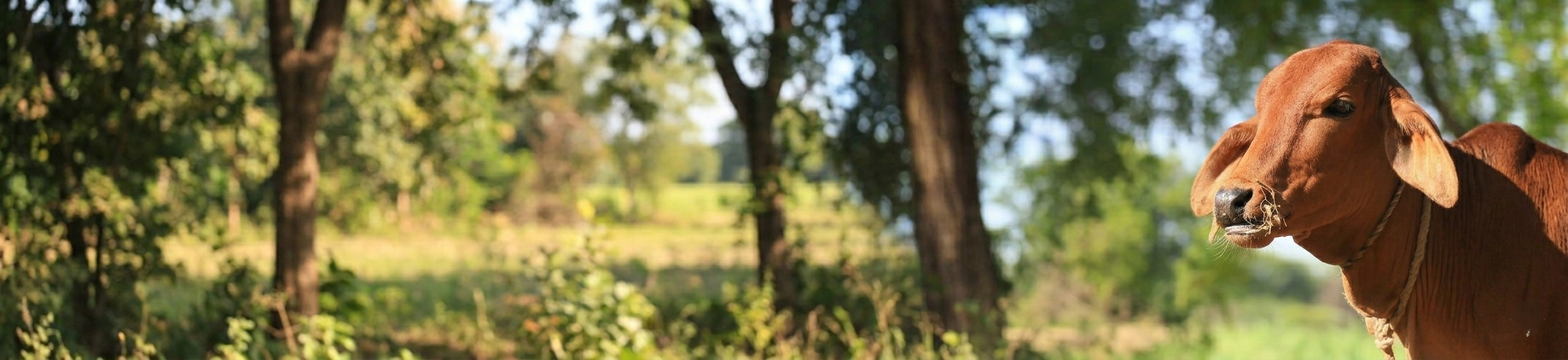
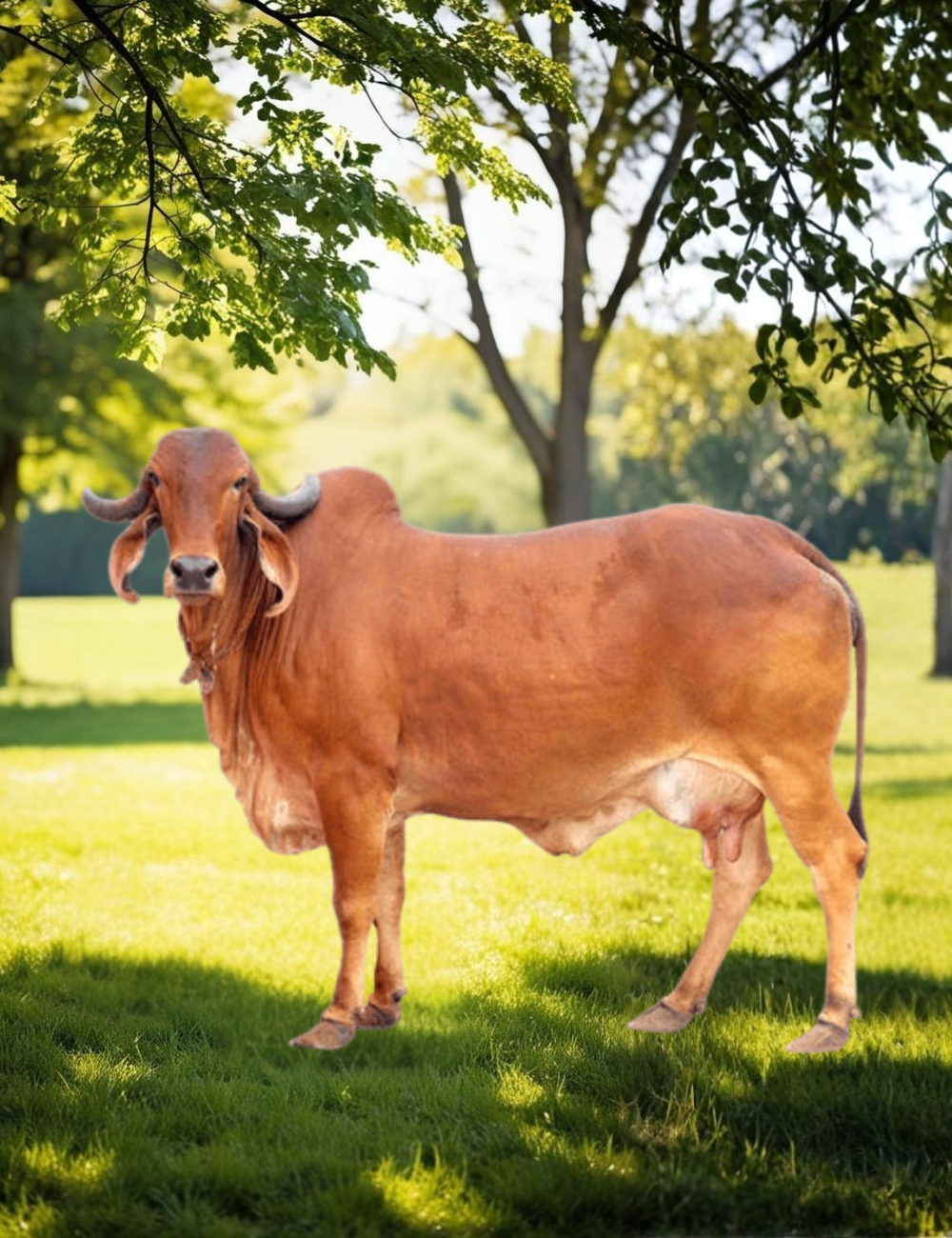
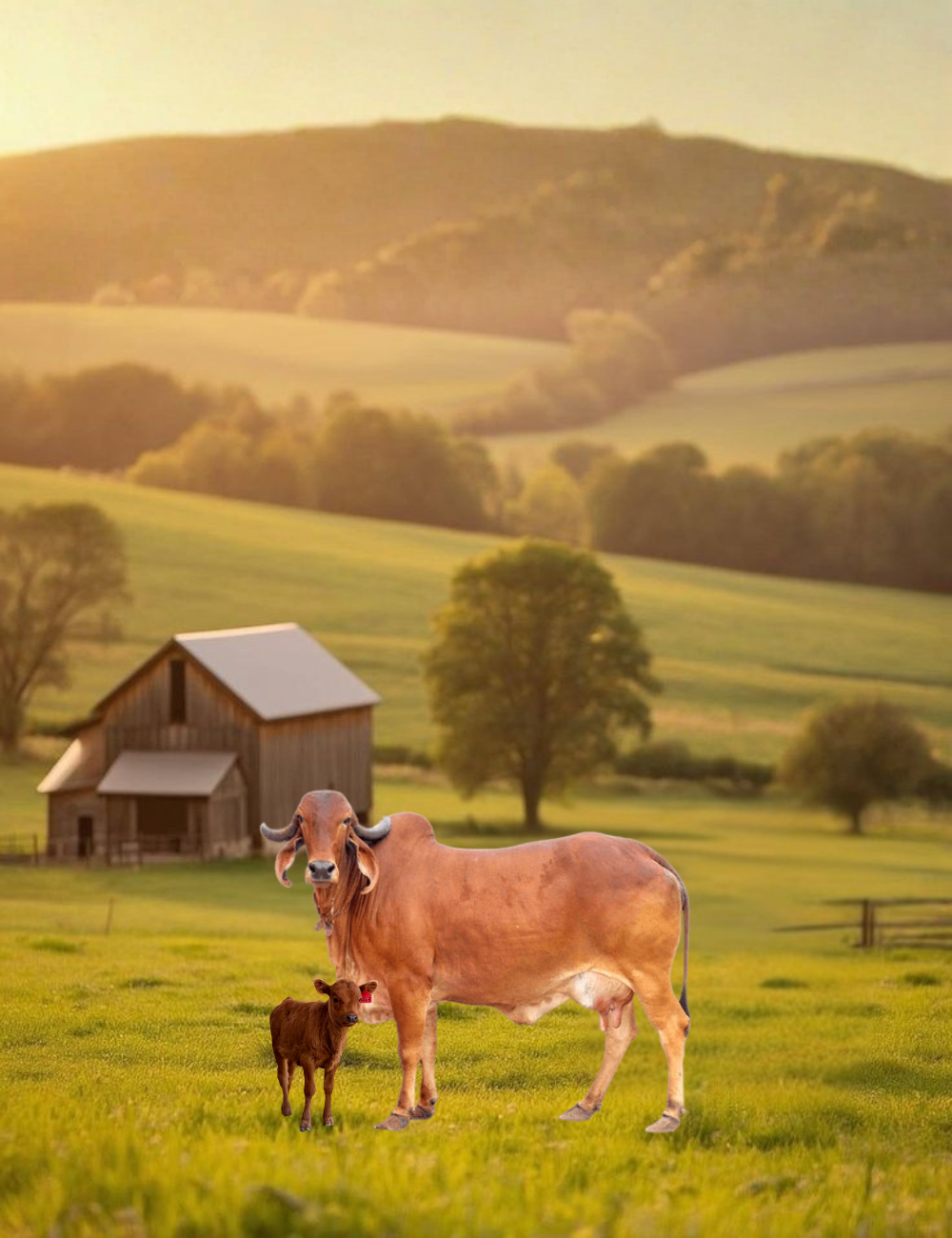
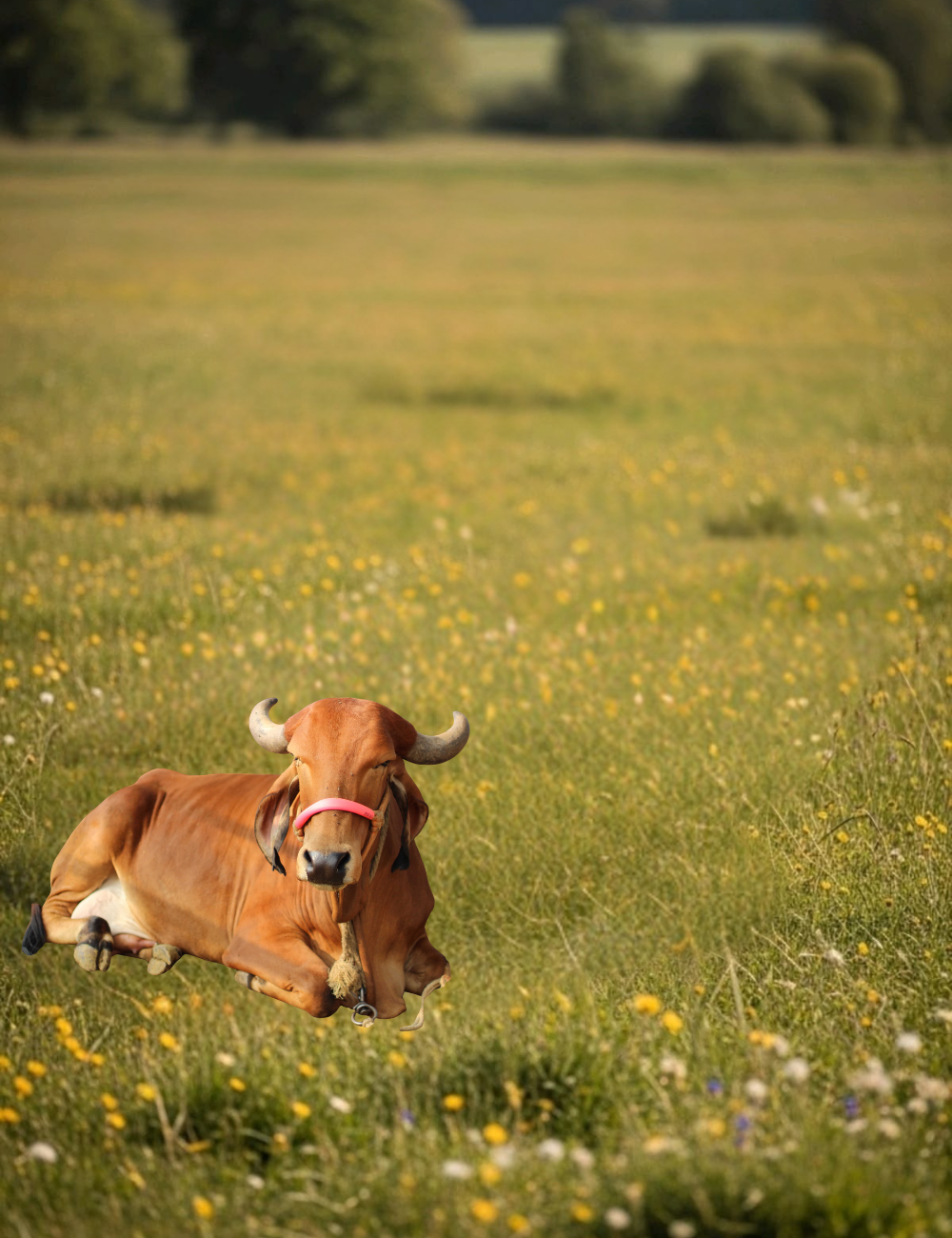
Gir and Tharparkar cows naturally produce A2 milk containing A2 beta-casein protein.
As awareness grows, more families are choosing A2 milk because it is naturally produced by indigenous Indian cow breeds such as Gir and Tharparkar. The difference comes from the naturally occurring A2 beta-casein protein.
Understanding the science behind A1 and A2 milk helps consumers make informed choices based on their preferences. At Sunrise A2 Milk, we remain committed to transparency, ethical farming, and delivering fresh farm-to-home A2 milk.
A1 milk contains a form of beta-casein protein known as A1 beta-casein. It is commonly produced by many modern commercial dairy breeds.
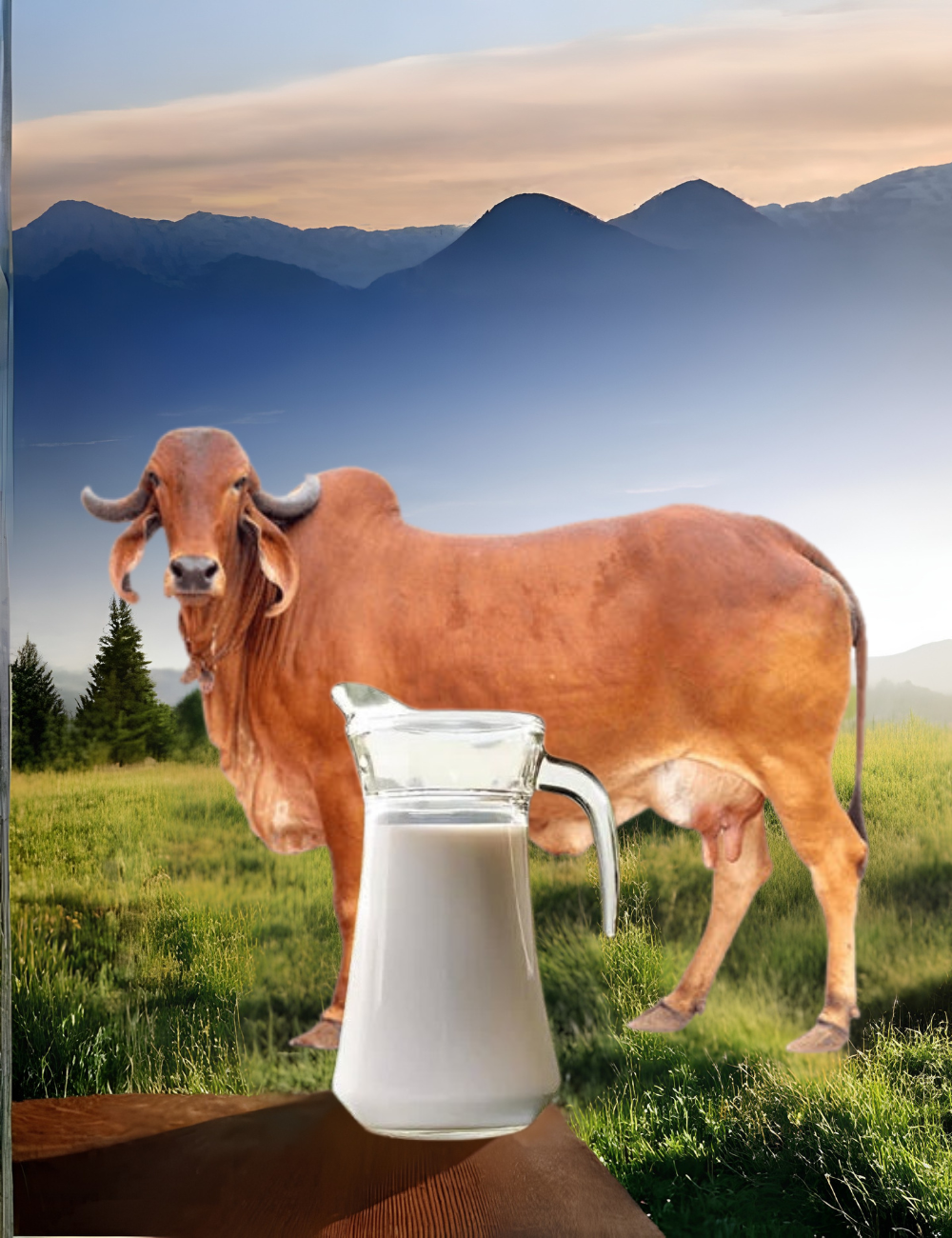
A2 milk contains only A2 beta-casein protein and is naturally produced by several indigenous Indian cattle breeds.
| Feature | A1 Milk | A2 Milk |
|---|---|---|
| Protein Type | A1 Beta-Casein | A2 Beta-Casein |
| Source | Mostly Commercial Breeds | Indigenous Breeds |
| Traditional Indian Cows | Rare | Naturally Present |
| Digestive Comfort | Varies by Individual | Often Preferred by Sensitive Consumers |
| Genetic Origin | Mutation in Beta-Casein Gene | Original Beta-Casein Form |
| Popularity | Mass Market Dairy | Premium Natural Dairy |
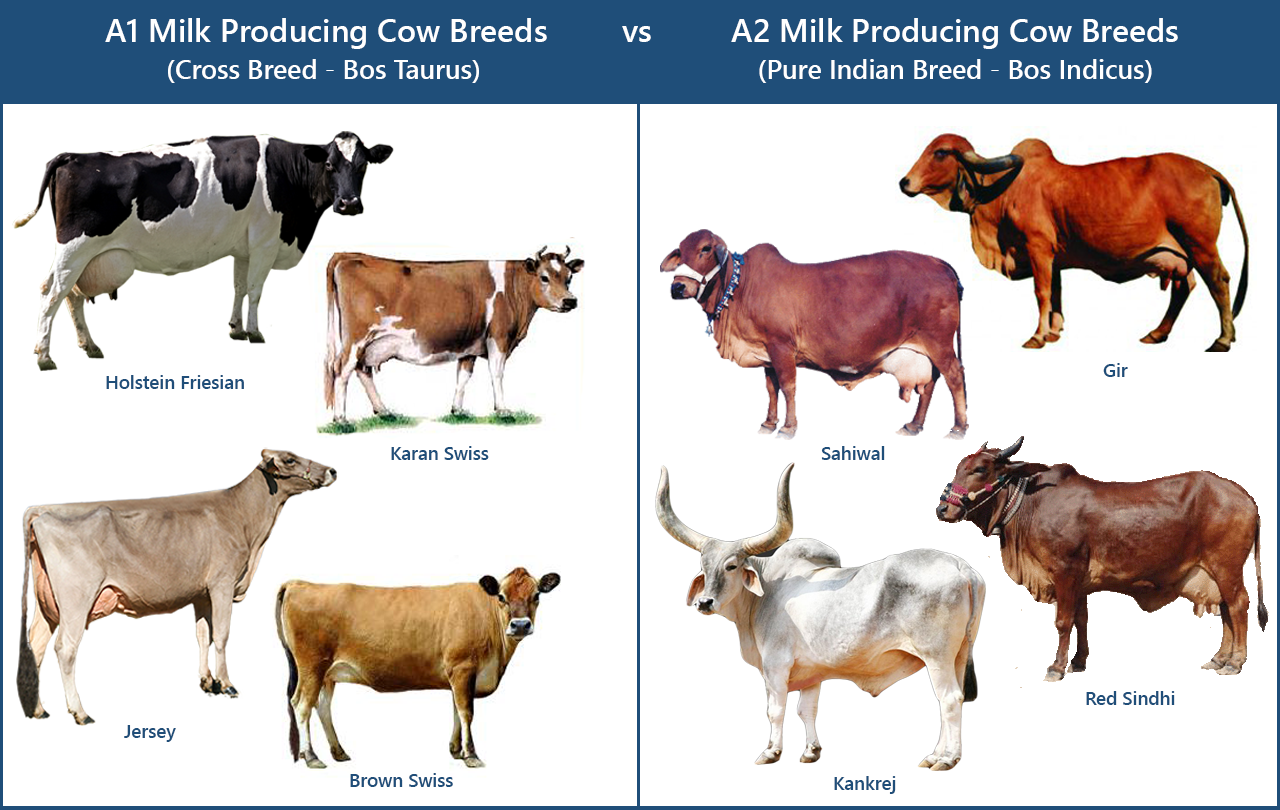
The difference between A1 and A2 milk comes from a small variation in the beta-casein protein structure naturally found in cow's milk.
Although the difference involves just one amino acid in the protein chain, researchers have studied whether this variation may influence how milk proteins are digested.
The protein found in A2 milk is considered the original form that was historically present in cattle before genetic variations emerged in some breeds.
This distinction forms the basis of the growing worldwide interest in A2 milk.
Some individuals report less bloating, reduced stomach discomfort, and improved milk tolerance after switching to A2 milk. Experiences may vary between individuals.
Consumers increasingly prefer milk that comes directly from farms instead of passing through large industrial supply chains.
Many families value traditional Indian dairy practices and milk produced by indigenous cattle breeds such as Gir and Tharparkar cows.
Fact: Indigenous Indian cows have naturally produced A2 milk for centuries.
Fact: Taste differences are often influenced by freshness, breed, feeding practices, and processing methods rather than protein type alone.
Fact: While most indigenous Indian breeds naturally produce A2 milk, verification of breed and sourcing remains important.
Fact: A2 milk is naturally produced by specific cow breeds and does not require genetic modification.
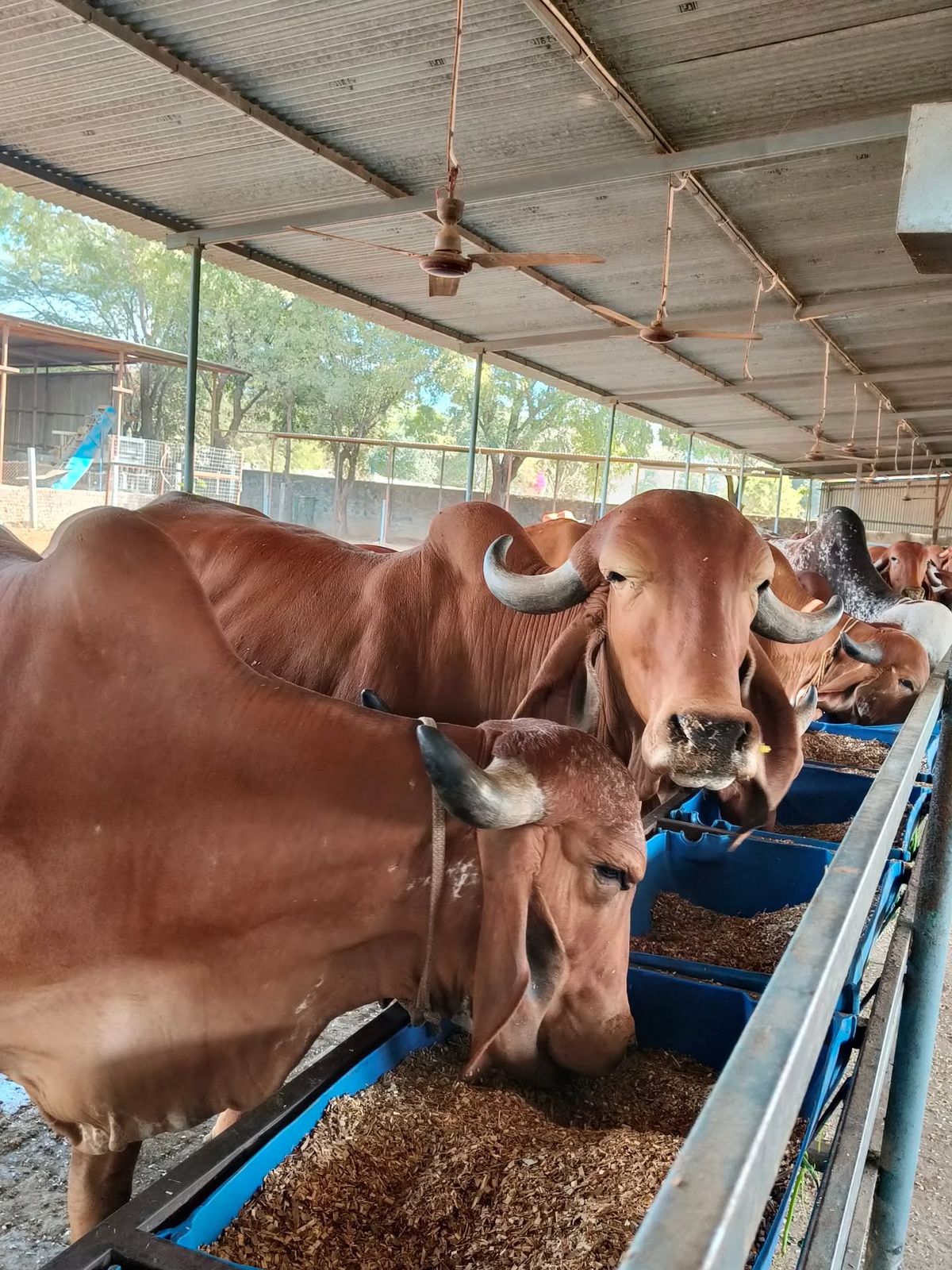
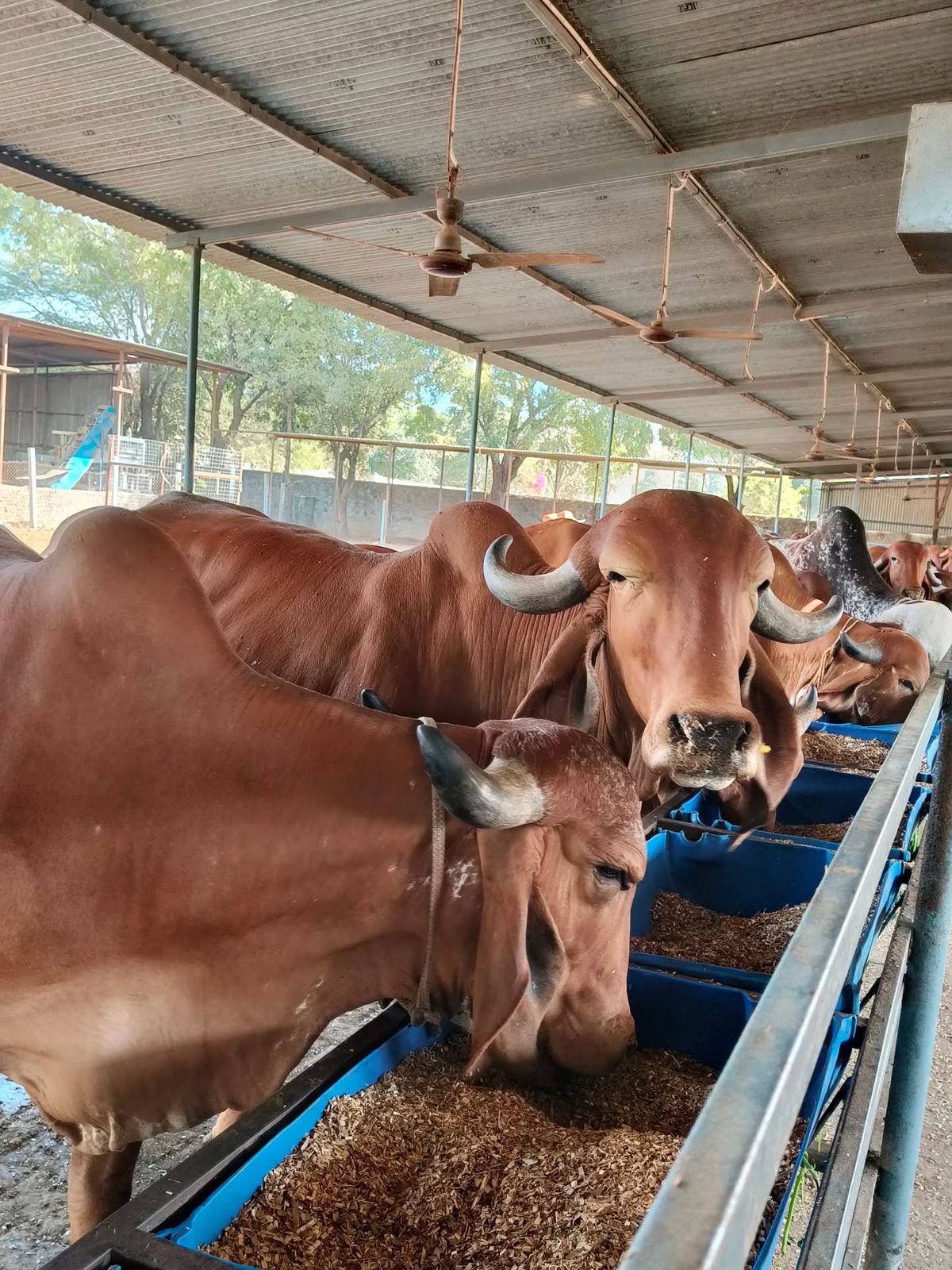
We maintain a herd of indigenous cows known for naturally producing A2 milk.
We do not source milk from external suppliers. Every litre originates from our own dairy farm.
Our cows are raised in spacious open housing that supports their comfort and well-being.
Our cows receive a balanced diet with nutritious fodder to support their daily care.
Fresh and clean water is available to our cows every day as part of responsible animal care.
Our team monitors the health and well-being of every cow through regular daily care.
Milk is collected and delivered with a focus on freshness and quality.
When purchasing A2 milk, look for transparent sourcing, indigenous cow breeds, and responsible dairy practices.
Choosing genuine A2 milk starts with verifying the cow breed, understanding the farm's sourcing practices, and selecting producers who maintain transparent quality standards.
The primary difference is the type of beta-casein protein present in the milk. A1 milk contains A1 beta-casein, while A2 milk contains A2 beta-casein.
Indigenous breeds such as Gir, Tharparkar, Sahiwal, and Red Sindhi cows naturally produce A2 milk.
Many consumers report improved digestive comfort when consuming A2 milk, although individual experiences vary.
Both A1 and A2 milk provide essential nutrients such as protein and calcium. The main distinction lies in the beta-casein protein type.
Indigenous cows typically produce lower milk volumes than commercial dairy breeds, resulting in higher production costs.