


Milk is one of the richest food sources of calcium, which is necessary for strong bones and healthy teeth. One cup of milk provides between a half to a third of calcium recommended daily intake for a child (aged between 1-11 years) and around one third to a quarter of that for an adult. As calcium is present only in very small amounts in most common foods, it may be difficult for individuals who are restricted in their intake of milk and milk products to obtain the recommended amount.
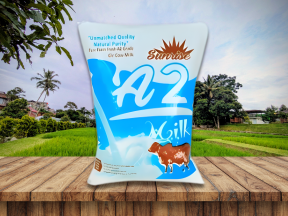
The health effects of milk may depend on the breed of the cow it came from. Currently, A2 milk is marketed as a healthier choice than regular A1 milk. Most cows a milk brands today contain a mix of both A1 and A2 proteins. All a2 Milk a products come from cows hand-picked to naturally produce only A2 protein and no A1 that makes all the difference.
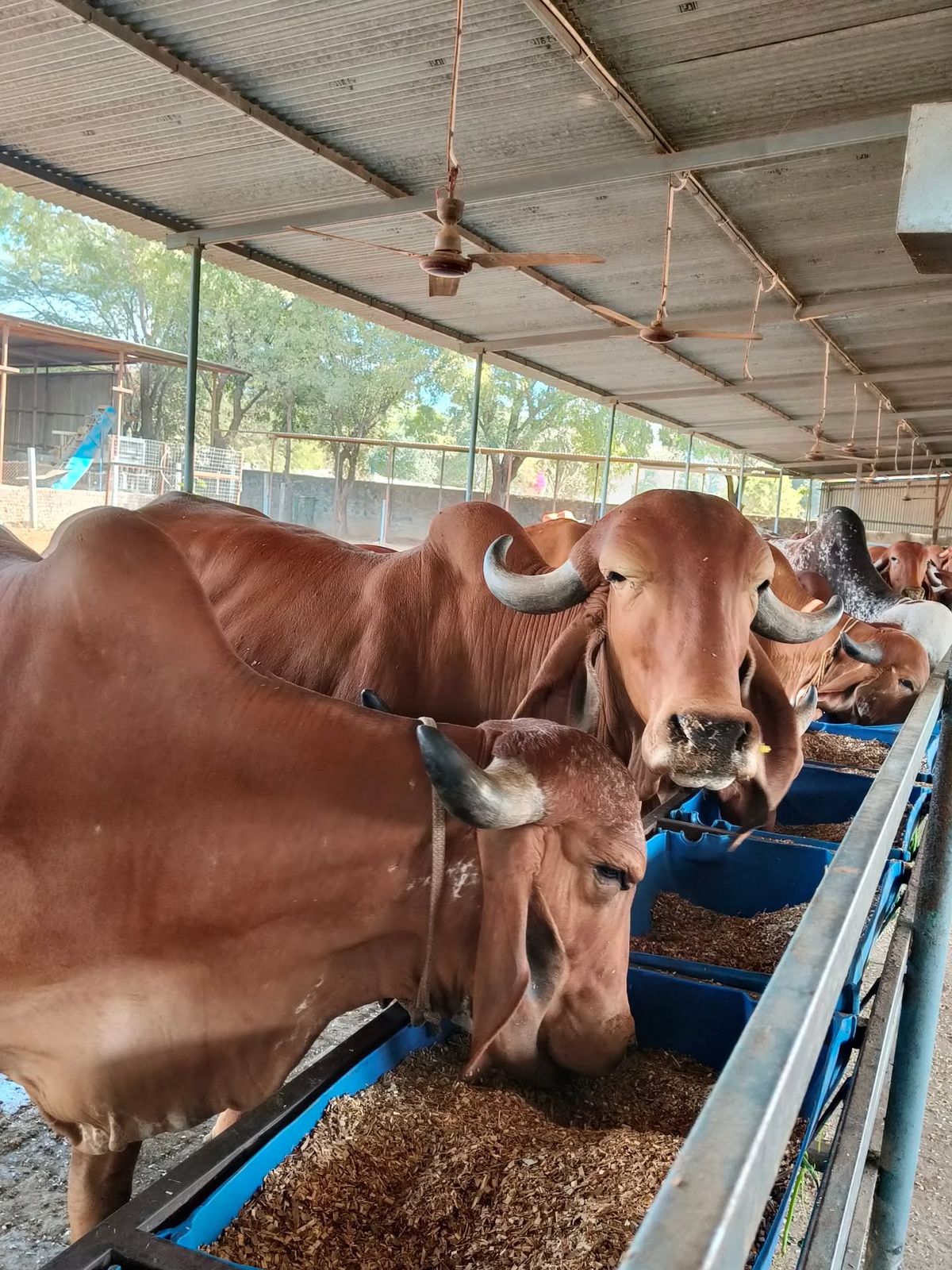
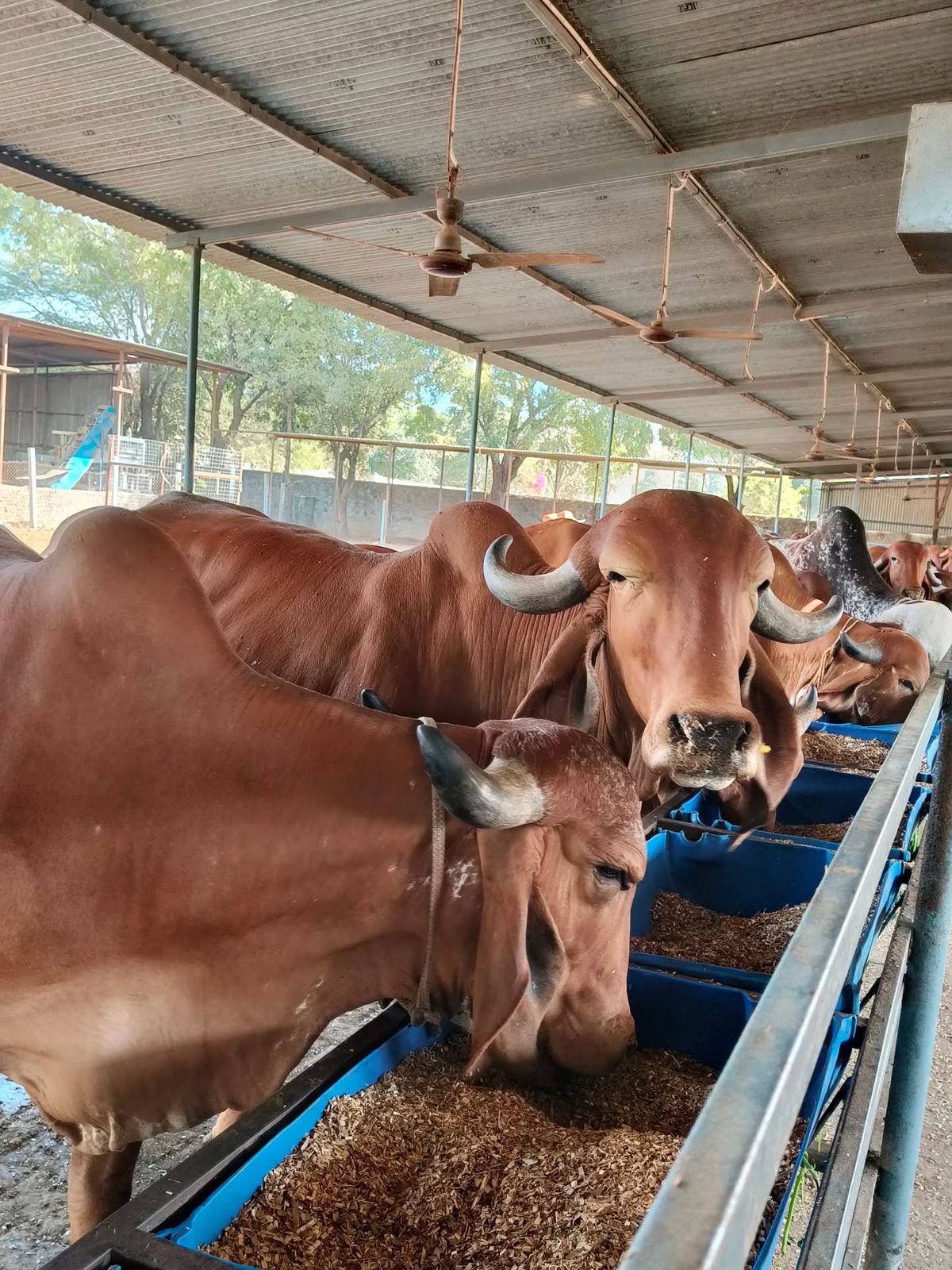
Gir cows are naturally adaptable and known for their excellent endurance.
Produces nutrient-rich A2 milk known for better digestibility and purity.
A2 milk generally refers to a variety of cow’s milk that mostly lacks the A1 form of casein protein and instead contains primarily the A2 beta-casein protein.A2 milk is widely recognized in countries such as Australia, New Zealand, China, the United States, and the United Kingdom.
A1 and A2 beta-casein are genetic variants of the milk protein that differ by a single amino acid. A special genetic test can identify whether a cow naturally produces A1 or A2 type protein in its milk, helping farmers maintain pure A2 dairy production.
Pure A2 milk is considered easier to digest and may help reduce digestive discomfort compared to regular milk.
An important benefit of A2 milk is its contribution toward supporting a healthy immune system naturally.
A2 milk is antibiotic and chemical-free, making it a healthier and safer option for families.

Recent research suggests that the A1 protein found in regular milk may cause digestive discomfort in some people. A2 milk is believed to be easier to digest because it contains only the natural A2 beta-casein protein.
The human body reacts differently to A1 and A2 proteins. A1 contains histidine, while A2 contains proline. During digestion, A1 protein may create BCM-7, a protein fragment associated with digestive discomfort.
A2 milk is considered easier to digest, especially for people with weak digestion.
Unlike A1 milk, A2 milk does not produce BCM-7 during digestion.
A2 milk comes from desi cows raised naturally with traditional Vedic farming practices.
A2 milk is believed to be safer for infants with sensitive digestive systems.
Desi cows naturally produce much less milk compared to European breeds, making pure A2 milk more limited and valuable in the market. At Sunrise A2 Milk, our cows are raised with care, natural fodder, clean water, and traditional milking methods without chemicals or artificial enhancement.
| Characteristic | A2 Milk | A1 Milk |
|---|---|---|
| Protein Type | Contains only A2 beta-casein protein | Contains A1 beta-casein protein |
| Amino Acid | Contains proline at position 67 | Contains histidine at position 67 |
| Digestibility | Easier to digest for many people | May cause digestive discomfort |
| BCM-7 Formation | Does not produce BCM-7 during digestion | Produces BCM-7 during digestion |
| Source | Mostly from Gir and indigenous cows | Mostly from European cow breeds |
| Health Benefits | Supports better digestion and immunity | Linked with digestive discomfort in some people |
| Milk Production | Lower quantity but higher nutritional value | Higher milk production quantity |
| Purity | Considered more natural and original | Considered a later genetic mutation |
| Farming Method | Traditional and Vedic dairy practices | Commercial large-scale dairy farming |
| Suitability For Infants | Believed to be gentler on sensitive digestion | May not suit sensitive digestive systems |
| Demand | High demand due to health benefits | Easily available and lower in cost |
| Processing | Minimal and natural processing | Mostly industrially processed |
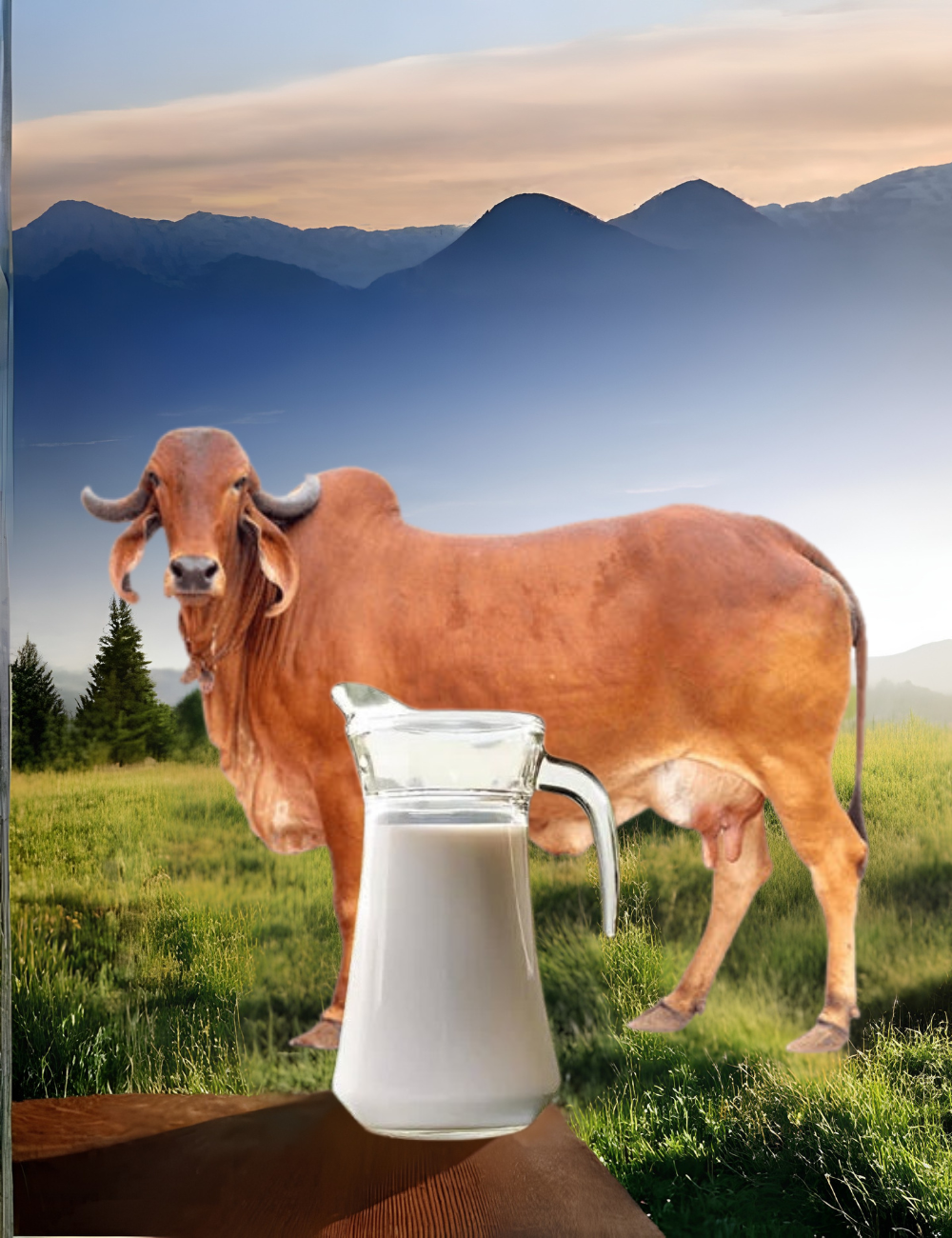



A2 milk contains only the A2 beta-casein protein, while regular milk often contains both A1 and A2 proteins. Many people prefer A2 milk because it is considered easier to digest.
Many people who experience discomfort after drinking regular milk find A2 milk gentler on digestion. It may help reduce bloating and stomach discomfort in some cases.
Indigenous Indian cow breeds such as Gir, Sahiwal, and Tharparkar naturally produce pure A2 milk known for its nutritional value and traditional benefits.
Yes, A2 milk can be consumed daily as part of a balanced diet. It is rich in calcium, protein, and essential nutrients that support overall health and wellness.