
Ghee has been a staple in Indian kitchens for generations, valued not just for its rich, nutty flavor but also for its place in traditional wellness practices. Among the many varieties available today, Gir cow ghee has gained particular attention for the unique characteristics of the milk it's made from. Sourced from the indigenous Gir cow breed, this ghee is often described as a premium, more nutrient-dense alternative to ghee made from regular or crossbred cattle.
This guide takes a closer look at what makes Gir cow ghee different, the nutrients it offers, and the various ways it's traditionally believed to support digestion, immunity, heart health, and more. We'll also break down how it compares to regular ghee and how brands like Sunrise A2 Milk produce it, so you can make an informed choice about adding it to your daily routine.
Gir cow ghee is clarified butter made specifically from the milk of Gir cows, one of India's oldest and most well-known indigenous cattle breeds, originally native to the Gir forest region of Gujarat. Unlike ghee made from mixed-breed or crossbred cow's milk, Gir cow ghee is produced exclusively from the milk of this particular breed, which is known for producing A2 type beta-casein protein rather than the A1 protein found in many crossbred and hybrid cattle.
This A2 protein distinction is one of the most talked-about features of Gir cow milk and, by extension, the ghee made from it. Some people find A2 milk products easier to digest compared to A1 milk products, though research on this topic is still evolving and individual responses can vary.
Traditionally, Gir cow ghee is made using the bilona method, a slow, manual process that involves first culturing milk into curd, churning that curd to extract butter, and then slow-cooking the butter over a low flame to produce ghee. This is different from many commercial ghee-making processes that work directly from cream or use machine-based churning, which can be faster but may not preserve the same nutrient profile or flavor complexity.
Gir cows are also typically raised in more traditional, often grass-fed conditions, which can influence the nutritional composition of their milk, including the levels of certain fatty acids and fat-soluble vitamins.
Gir cow ghee carries a nutrient profile that overlaps with regular ghee in many respects, since both are primarily composed of saturated fat, but the specific concentration of certain beneficial compounds is often reported to be higher in Gir cow ghee, largely due to the diet and breed of the cow.
Healthy fats make up the bulk of ghee's composition, including a mix of saturated, monounsaturated, and polyunsaturated fatty acids. While ghee is calorie-dense, the type of fat it contains has been a point of interest in nutritional research.
Conjugated Linoleic Acid (CLA) is a fatty acid found in dairy products from grass-fed cows that has been studied for its potential role in supporting metabolism and body composition. Gir cow ghee, particularly when sourced from grass-fed cows, is often noted to contain higher levels of CLA compared to ghee from grain-fed or mixed-breed cattle.
Butyric acid, a short-chain fatty acid, is another notable component. It's produced during the fermentation process involved in traditional ghee-making and is recognized for its role in supporting gut health, as it serves as a primary energy source for the cells lining the colon.
Fat-soluble vitamins, including Vitamin A, Vitamin D, Vitamin E, and Vitamin K, are naturally present in ghee. These vitamins play roles in vision, bone health, immune function, and blood clotting, respectively. The exact levels can vary based on factors like the cow's diet, season, and region.
Omega-3 and Omega-6 fatty acids are present in smaller amounts, and the ratio between them can be more favorable in ghee derived from grass-fed cows, which is often the case with traditionally raised Gir cattle.
Antioxidant compounds, including beta-carotene (which gives ghee its characteristic golden color), are also present, particularly when the milk comes from cows grazing on fresh pasture.
It's worth noting that ghee, including Gir cow ghee, remains a calorie-dense food primarily composed of saturated fat. While it offers these notable nutrients, it should still be consumed as part of a balanced diet rather than viewed as a low-calorie health food.
One of the most commonly cited traditional uses of ghee, including Gir cow ghee, relates to digestive health, and there are a few reasons behind this association.
Butyric acid content is thought to play a supportive role in gut health, as this short-chain fatty acid is known to nourish the cells of the colon lining and may contribute to a healthy gut environment when consumed as part of an overall balanced diet.
Easier digestibility is often reported by people who switch from regular butter or vegetable oils to ghee, since ghee has had the milk solids (lactose and casein) removed during the clarification process, which may make it more tolerable for those with mild lactose sensitivity, though it is not appropriate for those with a diagnosed dairy allergy.
Traditional Ayurvedic use of ghee includes its application as a lubricant for the digestive tract, with practitioners often recommending small amounts before meals to support smoother digestion. This is a traditional practice rather than a clinically established medical treatment, but it remains a widely followed custom in many households.
Supports nutrient absorption is another commonly mentioned digestive benefit, since the fat content in ghee can help the body absorb fat-soluble vitamins (A, D, E, and K) from other foods consumed in the same meal.
As with any dietary change, individual digestive responses to ghee can vary, and people with specific digestive conditions should consult a doctor or nutritionist before making significant changes to their diet.
Immune health is another area where Gir cow ghee is traditionally valued, largely due to its nutrient composition.
Vitamin A content supports the normal functioning of the immune system, playing a role in maintaining the health of skin and mucous membranes, which act as the body's first line of defense against pathogens.
Butyric acid, beyond its digestive role, has also been studied for its potential anti-inflammatory properties, which may indirectly support immune function by helping to regulate the body's inflammatory response.
Antioxidant compounds present in ghee, particularly from grass-fed sources, may help combat oxidative stress in the body, which is increasingly understood to play a role in overall immune resilience.
Traditional use in immunity-boosting preparations is common in Ayurvedic and home remedies, where ghee is often combined with herbs, spices, or other ingredients believed to support seasonal immunity, particularly during winter months.
It's important to note that no single food, including ghee, can be relied upon as a standalone solution for immune health. A varied, balanced diet combined with adequate sleep, exercise, and stress management plays a much larger overall role.
The relationship between ghee and heart health is more nuanced than some traditional claims suggest, and it's worth approaching this topic with a balanced perspective.
CLA content has been studied for potential benefits related to cardiovascular markers, though research findings are mixed and more studies are needed to draw firm conclusions about its effects on heart health specifically in humans.
Omega-3 to Omega-6 ratio in ghee from grass-fed cows tends to be more favorable than in ghee from grain-fed cattle, and a healthier balance between these fatty acids is generally associated with better cardiovascular outcomes in broader nutritional research.
Saturated fat content, however, remains a significant consideration. Ghee is predominantly saturated fat, and dietary guidelines from many health organizations continue to recommend moderating saturated fat intake as part of a heart-healthy diet, particularly for individuals with existing cardiovascular risk factors.
Moderation is key, and most nutrition experts suggest that ghee, including Gir cow ghee, can be included as part of a balanced diet in reasonable portions rather than being consumed in large quantities based solely on its traditional reputation as a heart-healthy fat.
Anyone with existing heart conditions, high cholesterol, or related risk factors should speak with a doctor or registered dietitian about appropriate dietary fat intake rather than relying solely on general claims about ghee.
Ghee has long held a place in traditional practices related to cognitive health, and some of its nutritional components may offer relevant support.
Healthy fat content is significant here, since the brain is composed largely of fat and relies on a steady supply of healthy fats for optimal function and cell membrane health.
Omega-3 fatty acids, present in modest amounts, are well recognized in broader nutritional science for their role in supporting brain health and cognitive function over the long term.
Antioxidant properties of ghee may help protect brain cells from oxidative stress, which is a factor associated with age-related cognitive decline.
Traditional Ayurvedic use includes ghee as a component of preparations believed to support memory and mental clarity, often used in formulations alongside herbs like Brahmi or Ashwagandha. These uses are rooted in traditional medicine systems rather than extensive modern clinical research.
While these traditional associations exist, it's worth being cautious about overstating ghee's role in cognitive health, as comprehensive brain health depends on a wide range of factors including overall diet, physical activity, sleep, and mental engagement.
Bone and joint health is another area where Gir cow ghee's nutrient profile may offer some support, primarily through its fat-soluble vitamin content.
Vitamin D, when present in ghee, plays an essential role in calcium absorption and bone mineralization, making it relevant to long-term bone health, though ghee should not be relied upon as a primary source of Vitamin D, which the body produces mainly through sun exposure.
Vitamin K2 (a specific form of Vitamin K sometimes found in dairy fat from grass-fed cows) is involved in directing calcium to the bones rather than soft tissues, supporting overall skeletal health.
Healthy fat content may help with the absorption of other bone-supporting nutrients consumed alongside ghee in a meal, such as calcium and Vitamin D from other food sources.
Anti-inflammatory properties, linked to compounds like butyric acid, may offer some supportive benefit for joint comfort, particularly for individuals dealing with general inflammation-related stiffness, though this should not be considered a substitute for medical treatment of diagnosed joint conditions like arthritis.
As with other potential benefits, these effects are best understood as part of an overall nutrient-rich diet rather than a guaranteed solution for bone or joint issues.
Beyond dietary use, ghee has a long history of topical application in traditional beauty and skincare practices, in addition to its potential internal benefits for skin and hair health.
Vitamin A and Vitamin E content are both associated with skin health, supporting skin cell turnover and offering antioxidant protection against environmental damage when consumed as part of a balanced diet.
Moisturizing properties make ghee a popular ingredient in traditional topical remedies for dry skin, chapped lips, and minor skin irritation, often applied directly in small amounts.
Healthy fat content, when consumed, may support the skin's natural barrier function, helping to maintain hydration from within.
Hair health support is another traditional use, with ghee sometimes applied to the scalp and hair as a deep conditioning treatment, believed to nourish the scalp and add shine to hair strands.
Internal consumption is thought by some traditional practitioners to support overall skin and hair health from the inside out, given the role of healthy fats and fat-soluble vitamins in cellular health, though this is more anecdotal than clinically proven.
People with oily skin or acne-prone skin should be cautious with topical ghee application, as it may be too heavy or occlusive for their skin type and could potentially contribute to clogged pores in some individuals.
Ghee's role in weight management is often debated, and it's a topic that deserves a balanced, realistic explanation rather than oversimplified claims.
CLA content has been studied in relation to body composition, with some research suggesting a potential, modest role in supporting fat metabolism, though results across studies have been inconsistent and effects in humans appear to be limited.
Medium and short-chain fatty acids present in ghee may be metabolized somewhat differently by the body compared to some other fats, which some proponents suggest could support metabolic efficiency, though this effect is generally smaller than often claimed in popular wellness content.
Satiety effects are sometimes reported, as the fat content in ghee can contribute to a feeling of fullness when included in meals, potentially supporting portion control in some individuals.
Calorie density remains an important consideration. Ghee is calorie-dense, and consuming it in excess, regardless of its specific fatty acid profile, can contribute to weight gain rather than weight loss. Portion control is essential if weight management is a goal.
Best used in moderation as part of a calorie-conscious, balanced diet rather than added in large quantities based on the assumption that its nutrient profile makes it inherently "diet-friendly."
While all ghee shares a similar basic composition, there are several factors that distinguish Gir cow ghee from ghee made from regular or mixed-breed cattle.
Protein type in the source milk is one of the most discussed differences. Gir cows produce A2 beta-casein protein, while many crossbred or hybrid cattle produce a mix of A1 and A2 proteins. Though ghee itself contains minimal protein after the clarification process, some people associate A2-sourced dairy products with easier digestibility overall.
Diet and rearing conditions of Gir cows are often more traditional, frequently involving grass-fed or pasture-based feeding, which can influence the fatty acid profile of the milk, including CLA and omega-3 content, compared to milk from cattle raised in more intensive, grain-heavy farming systems.
Production method often differs as well. Gir cow ghee is frequently made using the traditional bilona method, involving hand-churned curd rather than direct cream separation, which some believe results in a more complete nutrient profile and richer flavor, though this also makes the production process slower and more labor-intensive.
Color and aroma can be more pronounced in Gir cow ghee, often appearing a deeper golden-yellow due to higher beta-carotene content, with a more distinct, nutty aroma compared to some regular ghee varieties.
Price point tends to be higher for Gir cow ghee, reflecting the more labor-intensive production process, the specific breed of cattle involved, and often more traditional or pasture-based farming practices.
Availability of genuine Gir cow ghee can be more limited compared to regular ghee, since Gir cows are a specific indigenous breed and not all dairies have access to or specialize in this type of cattle.
It's worth noting that not all ghee marketed as "Gir cow ghee" is necessarily produced with the same level of traditional care or sourced from purebred Gir cattle, so checking the production process and sourcing claims of a specific brand is a reasonable step before purchasing.
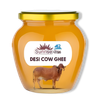
Sunrise A2 Milk produces its Gir cow ghee with an emphasis on traditional methods and sourcing practices intended to preserve the nutrient profile associated with authentic Gir cow milk.
Sourcing from Gir cows is the starting point, with milk collected specifically from this indigenous breed rather than mixed with milk from other cattle, helping maintain the A2 protein profile associated with Gir cow dairy.
Traditional bilona method is typically used in the ghee-making process, involving culturing the milk into curd, hand-churning the curd to separate butter, and then slow-cooking that butter over a low flame. This method is more time-intensive than modern industrial processes but is associated with better retention of nutrients and a richer flavor profile.
Quality control during processing generally involves careful monitoring of cooking temperatures and timing to avoid overheating, which can degrade some of the beneficial fatty acids and vitamins present in the ghee.
Hygienic packaging is used to preserve freshness and prevent contamination, helping maintain the shelf life and quality of the final product once it reaches the consumer.
Transparency in sourcing, including information about the farms and cattle involved in production, is generally provided so customers based in Jaipur and beyond can make informed choices about the ghee they're purchasing.
If you're considering a specific brand's Gir cow ghee, it's reasonable to look into their sourcing claims, certifications (if any), and production transparency to ensure you're getting an authentic product.
Incorporating Gir cow ghee into a daily routine doesn't require a complete overhaul of your diet. A few simple, practical approaches can help you enjoy it as part of a balanced lifestyle.
Cooking medium is the most common use, as ghee has a high smoke point, making it suitable for sautéing, frying, and general cooking without breaking down as easily as some other oils at high heat.
Add to warm meals, such as a spoonful stirred into dal, rice, or roti, which is a traditional practice in many Indian households and adds both flavor and nutritional value to everyday meals.
Morning ritual, where some people consume a small spoonful of ghee with warm water or milk first thing in the morning, based on traditional Ayurvedic practices intended to support digestion throughout the day.
Baking and roasting can also benefit from ghee as a substitute for butter or vegetable oil, lending a distinct flavor to baked goods and roasted vegetables.
Topical use, such as applying a small amount to dry skin, lips, or hair ends, is another traditional way to use ghee outside of cooking.
Moderate portions are key. A general guideline followed by many nutritionists is to limit ghee intake to roughly one to two teaspoons per day for most healthy adults, though individual needs can vary based on overall diet, activity level, and health goals. It's always a good idea to factor ghee into your overall daily fat intake rather than treating it as an unlimited addition.
Storage tips include keeping ghee in a cool, dry place, away from direct sunlight and moisture, which helps preserve its quality and extends its shelf life, since ghee doesn't typically require refrigeration when stored properly.
Everything you need to know about Sunrise A2 Gir cow ghee — from nutrition and daily use to storage and authenticity.
Gir cow ghee is made from the milk of Gir cows, an indigenous Indian breed known for producing A2 beta-casein protein. It is often prepared using the traditional bilona churning method and carries a different fatty acid and vitamin profile compared to ghee from crossbred or Holstein cattle — shaped by both the breed and the way these cows are grazed and fed.
Yes, in moderate amounts. For most healthy adults, one to two teaspoons per day fits comfortably within a balanced diet. Individual needs vary depending on overall calorie intake and health goals, so those with specific conditions — cardiovascular disease, for example — should check with a doctor or nutritionist before making ghee a daily habit.
Gir cow ghee contains CLA (conjugated linoleic acid) and other fatty acids that researchers have studied for a modest role in metabolism. That said, ghee is calorie-dense — it is not a standalone weight loss solution. Consuming it in moderation as part of a calorie-aware, balanced diet is the right frame, not treating it as a fat-burning food on its own.
Ghee has negligible lactose and casein content because both are removed during the clarification process. Many people with mild lactose intolerance find ghee far easier to digest than butter or milk. Those with a severe dairy allergy — not just intolerance — should still speak to a doctor before consuming any dairy-derived product, including ghee.
Gir cows produce milk containing primarily A2 beta-casein protein, while many crossbred cattle produce a mix of A1 and A2. In the final ghee, protein content is minimal because milk solids are removed during clarification. The practical difference in the end product is small, though many people associate A2-sourced dairy with overall better digestibility — particularly when the milk itself is consumed.
Store Sunrise A2 ghee in an airtight container in a cool, dry spot away from direct sunlight and moisture. Properly stored ghee does not need refrigeration and holds its quality for several months at room temperature. Always use a dry spoon — even a small amount of water introduced into the jar can reduce its shelf life.
Ghee is a traditional part of Indian weaning foods and is commonly introduced after six months of age in small amounts. It provides fat-soluble vitamins and energy important for infant development. That said, the right timing and quantity should always come from a paediatrician, as every child's nutritional needs are different.
Ghee is primarily saturated fat, so anyone with elevated cholesterol or cardiovascular risk should approach it with care. Moderation matters more than the source. A doctor or registered dietitian is the right person to advise on appropriate fat intake for your individual lipid profile — the traditional reputation of Gir cow ghee does not substitute for personalised medical guidance.
Authentic Gir cow ghee has a deep golden colour, a rich nutty aroma, and a slightly granular texture when it solidifies — these come from the bilona process and the high beta-carotene content in Gir cow milk. Look for brands that are transparent about their farm sourcing and cattle breed. Sunrise A2 Milk shares full details of the farms and herds behind every batch.
No. Properly made Gir cow ghee is shelf-stable at room temperature. Refrigeration causes it to solidify firmly, which is harmless but makes scooping less convenient. Keep it in a sealed jar in your pantry or kitchen cabinet — away from the stove — and it will stay fresh and ready to use for months without chilling.
